Black Lives Matter Syllabus Project, Pedagogy

The Anthropoliteia #BlackLivesMatter Syllabus Project, Week 19: Anne Galvin on Reflexivity and the White Anthropologist

The editors of Anthropoliteia are happy to continue an ongoing series The Anthropoliteia #BlackLivesMatterSyllabus Project, which will mobilize anthropological work as a pedagogical exercise addressing the confluence of race, policing and justice. You can see a growing bibliography of resources via our Mendeley feed.  In this entry,  Anne Galvin discusses how teaching with memoir introduces many voices and points of view in her classroom. 
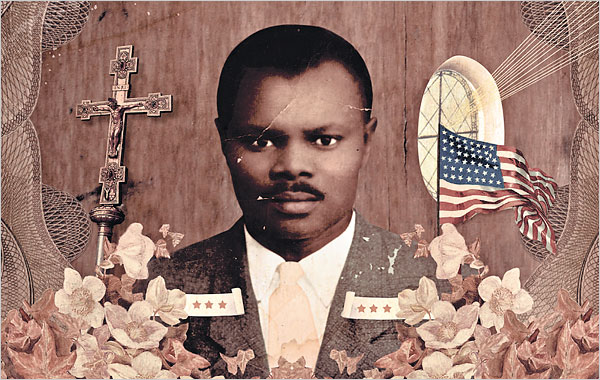
brother-i-am-dying

I attended graduate school in the 1990s and, like many anthropologists in training, spent much of my coursework considering questions of “positionality.”  At the time, taking stock of anthropology’s relationship to colonial projects, as well as our own sometimes privileged positions and biases, shaped disciplinary debates and new methodologies.  Reflexivity – the practice of being transparent about one’s own situation and possible bias – was one way anthropologists responded to the problem of position. It turns out these considerations are far from academic in 2017 as we work to build more effective engagements between anthropologists and movements for racial justice and develop inclusive classroom pedagogies. Continue reading

Standard
Black Lives Matter Syllabus Project, Uncategorized

The Anthropoliteia #BlackLivesMatter Syllabus Project, Looking Back and Looking Ahead

The editors of Anthropoliteia are happy to present the latest entry in on ongoing series The Anthropoliteia #BlackLivesMatterSyllabus Project, which will mobilize anthropological work as a pedagogical exercise addressing the confluence of race, policing and justice. You can see a growing bibliography of resources via our Mendeley feed.

staywoke

Continue reading

Standard
Black Lives Matter Syllabus Project

The Anthropoliteia #BlackLivesMatter Syllabus Project, Week 13: Noah Tamarkin on thinking with South African Activists and Artists

The editors of Anthropoliteia are happy to present the latest entry in on ongoing series The Anthropoliteia #BlackLivesMatterSyllabus Project, which will mobilize anthropological work as a pedagogical exercise addressing the confluence of race, policing and justice.  You can see a growing bibliography of resources via our Mendeley feed.   In this entry, Noah Tamarkin discusses thinking with South African activists and artists.
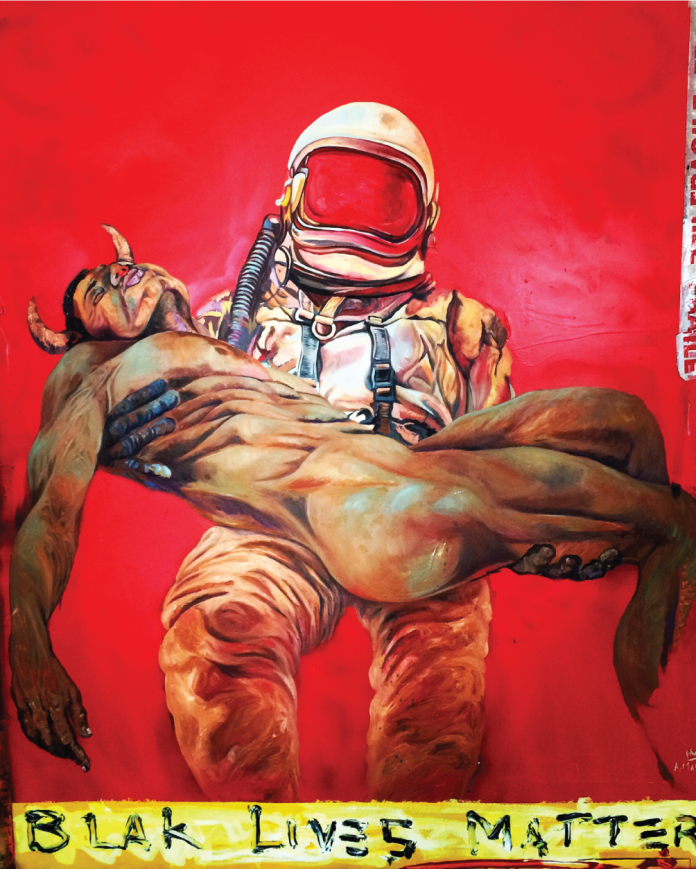
Ayanda Mabulu at DF Contemporary

Ayanda Mabulu at DF Contemporary

Continue reading

Standard
Black Lives Matter Syllabus Project

The Anthropoliteia #BlackLivesMatter Syllabus Project, Week 12: Kevin G. Karpiak on the critical potential of an anthropology of police

The editors of Anthropoliteia are happy to present the latest entry in on ongoing series The Anthropoliteia #BlackLivesMatterSyllabus Project, which will mobilize anthropological work as a pedagogical exercise addressing the confluence of race, policing and justice.  You can see a growing bibliography of resources via our Mendeley feed.   In this entry, Kevin G. Karpiak discusses the critical, pedagogical and political potential of the anthropology of police. 
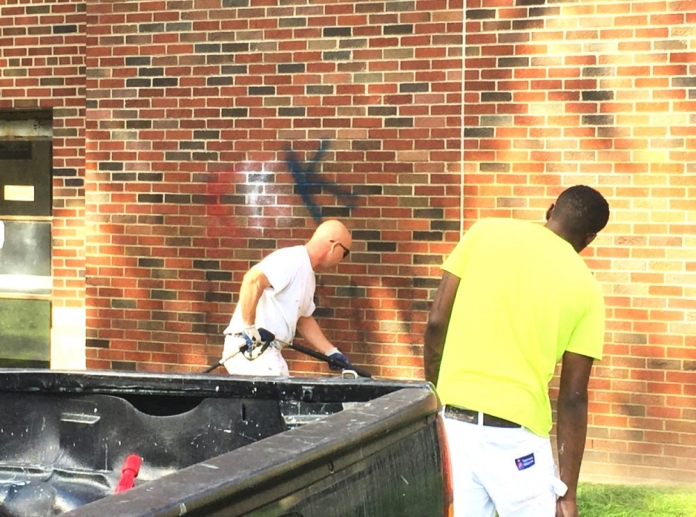
On Tuesday Sept. 20, around 9 a.m. graffiti was found on the outer wall of EMU's King Hall depicting hate speech. Picture taken after some writing was removed. (photo credit: Shayler Barnes Jr. / The Eastern Echo)

On Tuesday Sept. 20, around 9 a.m. graffiti was found on the outer wall of EMU’s King Hall depicting hate speech. Picture taken after some writing was removed. (photo credit: Shayler Barnes Jr. / The Eastern Echo)

Continue reading

Standard
Black Lives Matter Syllabus Project

The Anthropoliteia #BlackLivesMatter Syllabus Project, Week 11: Jaime Alves on “The right and duty to change the world”

The editors of Anthropoliteia are happy to present the latest entry in on ongoing series The Anthropoliteia #BlackLivesMatterSyllabus Project, which will mobilize anthropological work as a pedagogical exercise addressing the confluence of race, policing and justice.  You can see a growing bibliography of resources via our Mendeley feed.   In this entry, Jaime Alves discusses teaching “Cultural Anthropology” with the themes of colonialism, global white supremacy, and racialized police practices.

Continue reading

Standard
Conferences

Papers and Panels of Interest at the #AAA2016 Meeting

2016-aaa-annual-mtg-logo-4c-250x286It’s that time of year again: time for Anthropoliteia’s list of papers and panels pertaining to police, security, crime, law and punishment at the Annual Meeting s of the American Anthropological Association!
As impassioned followers of this blog know, we like to curate a list of sessions and papers of interest to our readers.  We’ve created a Google Calendar, which you can find embedded below and import into your own.  Be sure to keep an eye on @anthropoliteia’s twitter feed as well, where you’ll find coverage of the #AAA2016 hashtag with which several participants will be live-tweeting sessions ad other events.

Beyond that, we’d like to call your attention to two sessions in particular, which are direct offshoots of projects and collaborations on this blog:

Continue reading

Standard
Black Lives Matter Syllabus Project

The Anthropoliteia #BlackLivesMatterSyllabus Project, Week 10: Sameena Mulla on AAA2016

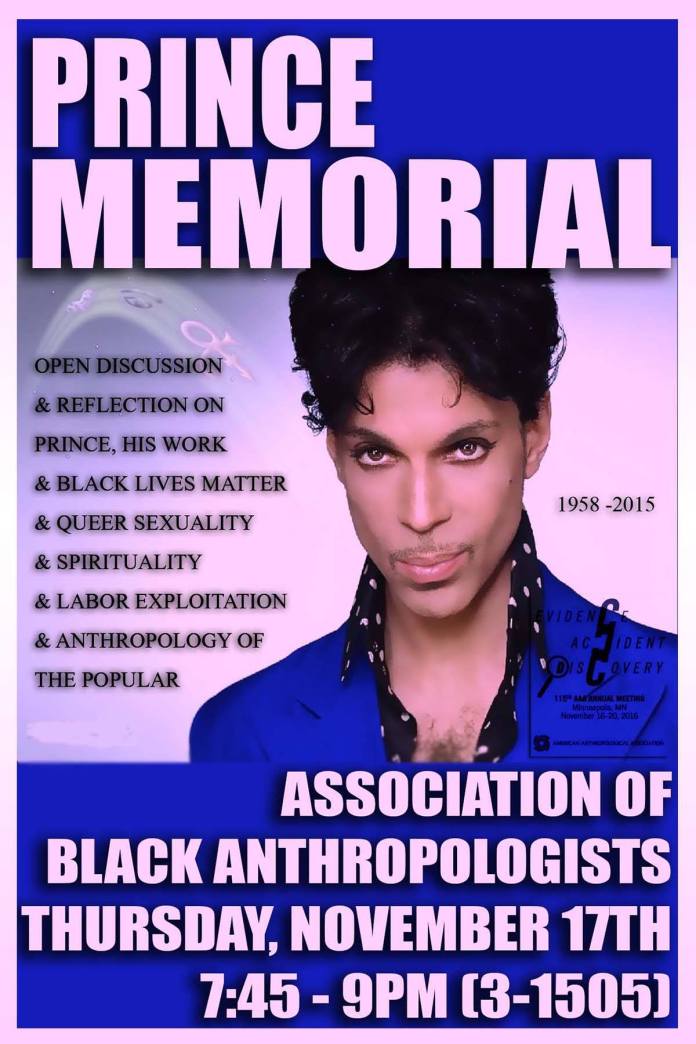
The editors of Anthropoliteia are happy to present the latest entry in on ongoing series The Anthropoliteia #BlackLivesMatterSyllabus Project, which will mobilize anthropological work as a pedagogical exercise addressing the confluence of race, policing and justice. You can see a growing bibliography of resources via our Mendeley feed. In this entry, Sameena Mulla tells you where we can find each other at the annual meetings of the American Anthropological Association which begin on Wednesday, November 16 in Minneapolis, MN.
 

prince-memorial-aaa2016

Continue reading

Standard
Black Lives Matter Syllabus Project

The Anthropoliteia #BlackLivesMatterSyllabus Project, Week 9: Dana Ain-Davis On Taylor’s “From #BlackLivesMatter to Black Liberation”

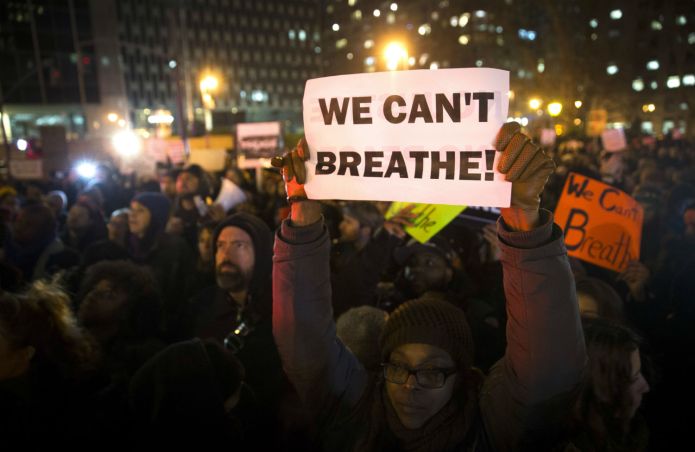
The editors of Anthropoliteia are happy to present the latest entry in on ongoing series The Anthropoliteia #BlackLivesMatterSyllabus Project, which will mobilize anthropological work as a pedagogical exercise addressing the confluence of race, policing and justice. You can see a growing bibliography of resources via our Mendeley feed. In this entry, Dana-Ain Davis discusses using Keeanga-Yamahtta Taylor’s From #BlackLivesMatter to Black Liberation in a classroom exercise.
 
2016-01-26-1453767203-4658644-eric_garner_nypd_protest_ap_img_5
 

Continue reading

Standard
Black Lives Matter Syllabus Project

The Anthropoliteia #BlackLivesMatterSyllabus Project, Week 6: Lee D. Baker on Ta-Nehisi Coates

The editors of Anthropoliteia are happy to present the latest entry in on ongoing series The Anthropoliteia #BlackLivesMatterSyllabus Project, which will mobilize anthropological work as a pedagogical exercise addressing the confluence of race, policing and justice.  You can see a growing bibliography of resources via our Mendeley feed.   In this entry, Lee D. Baker discusses Ta-Nehisi Coates’ article “The Case for Reparations“.
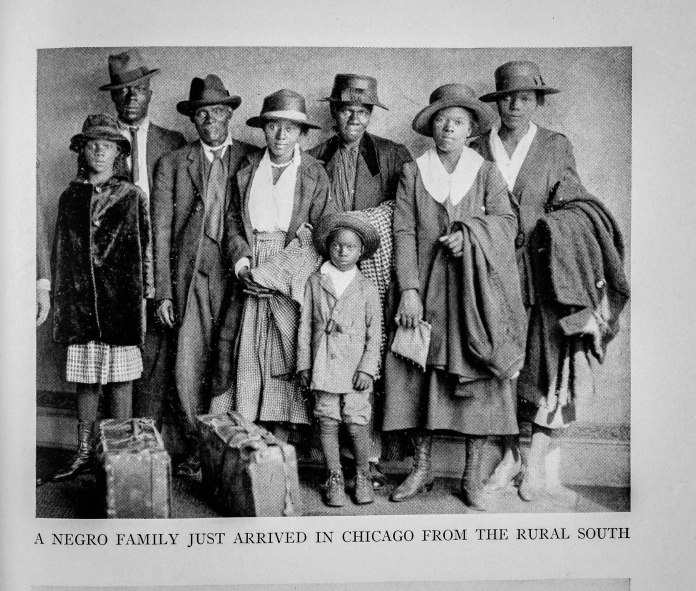
negrofamilynypl-1-of-1

photo: Schomburg Center for Research in Black Culture, Jean Blackwell Hutson Research and Reference Division, The New York Public Library. “A negro family just arrived in Chicago from the rural South.” The New York Public Library Digital Collections. 1922.

Continue reading

Standard
Black Lives Matter Syllabus Project

The Anthropoliteia #BlackLivesMatterSyllabus Project, Week 5: Meg Stalcup and Charles Hahn on Technology, Surveillance, and Security

The editors of Anthropoliteia are happy to present the latest entry in on ongoing series The Anthropoliteia #BlackLivesMatterSyllabus Project, which will mobilize anthropological work as a pedagogical exercise addressing the confluence of race, policing and justice.  You can see a growing bibliography of resources via our Mendeley feed.   In this entry, Meg Stalcup and Charles Hahn discuss technology, surveillance, and security in their article “Cops, Cameras and the Policing of Ethics“.
 
Screen grab from post by SPDbodywornvideo CC BY-SA 4.0 2015 by Meg Stalcup

Screen grab from post by SPDbodywornvideo CC BY-SA 4.0 2015 by Meg Stalcup

Continue reading

Standard