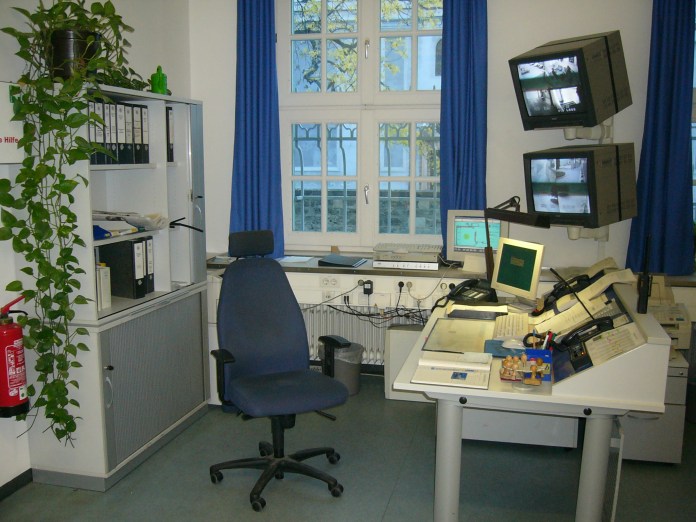
Desk of a Police sergeant in Munich, Germany © Wikimedia Commons
Desk of a Police sergeant in Munich, Germany © Wikimedia Commons

Session Title: Anthropology of Police: Techno-politics, Reform, and Questions of Violence
Organizer: Hayal Akarsu
Discussant: Kevin G. Karpiak Continue reading
The editors of Anthropoliteia are happy to continue an ongoing series The Anthropoliteia #BlackLivesMatterSyllabus Project, which will mobilize anthropological work as a pedagogical exercise addressing the confluence of race, policing and justice. You can see a growing bibliography of resources via our Mendeley feed. In this post, Thurka Sangaramoorthy discusses anthropology in the Trump era.
The 2016 U.S. Presidential election campaign and the election of Donald Trump has signaled a more visible rise in xenophobia, racism, and nativism which has left many in tremendous shock, fear, and uncertainty. Some of us were not surprised, even predicting these results, while many others have voiced profound shock, pronouncing personal calls to action brought upon by the election and declaring to fight bigotry and white supremacy in all its forms. Continue reading
The editors of Anthropoliteia are happy to continue an ongoing series The Anthropoliteia #BlackLivesMatterSyllabus Project, which will mobilize anthropological work as a pedagogical exercise addressing the confluence of race, policing and justice. You can see a growing bibliography of resources via our Mendeley feed. In this entry, April Petillo discusses stream of conscious Blackness, colonial unknowing, and academic realness.
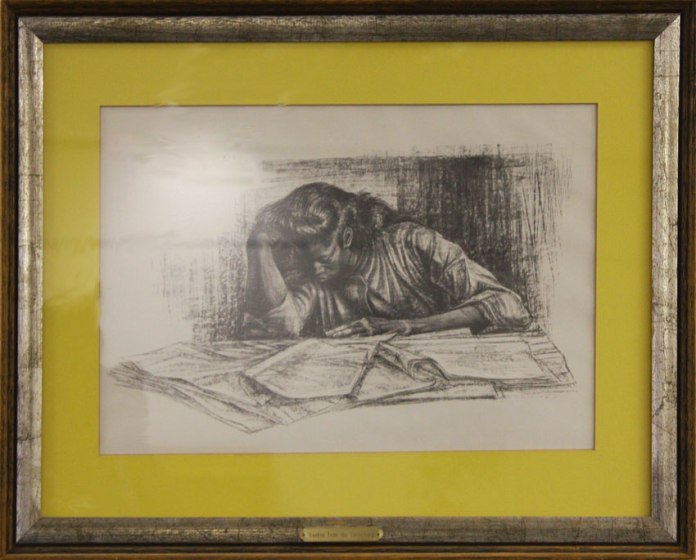
Image: Charles White’s “Awaken from the Unknowing” (1961).
I have been thinking about Blackness. Continue reading

This essay continues in the vein of scholars in this series whose contributions have highlighted the transnational reach and localized complexities of the Black Lives Matter movement and its conditions of possibility, including Faye Harrison, Jaime Alves, Noah Tamarkin and others. It questions concepts of humanity, intersectionality, and inclusion by mobilizing scholarship and public engagement around racialized and postcolonial police violence from a multi-sited (and perhaps not intuitively linked) location: Canada-cum-India. Continue reading
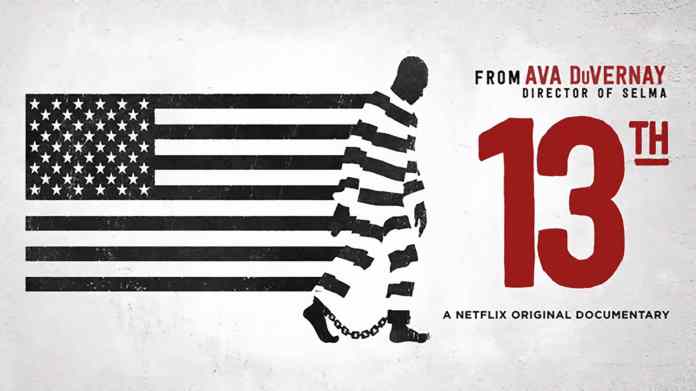
The editors of Anthropoliteia are happy to continue an ongoing series The Anthropoliteia #BlackLivesMatterSyllabus Project, which will mobilize anthropological work as a pedagogical exercise addressing the confluence of race, policing and justice. You can see a growing bibliography of resources via our Mendeley feed. In this entry, Maurice Magaña discusses seeing race and citizenship through Ava DuVernay’s documentary film, “13th.”
 Anthropoliteia
