Call for Papers for AAA 2017 Meeting in Washington, DC
Session Title: Anthropology of Police: Techno-politics, Reform, and Questions of Violence
Organizer: Hayal Akarsu
Discussant: Kevin G. Karpiak Continue reading
Session Title: Anthropology of Police: Techno-politics, Reform, and Questions of Violence
Organizer: Hayal Akarsu
Discussant: Kevin G. Karpiak Continue reading
The editors of Anthropoliteia are happy to continue an ongoing series The Anthropoliteia #BlackLivesMatterSyllabus Project, which will mobilize anthropological work as a pedagogical exercise addressing the confluence of race, policing and justice. You can see a growing bibliography of resources via our Mendeley feed. In this post, Thurka Sangaramoorthy discusses anthropology in the Trump era.
The 2016 U.S. Presidential election campaign and the election of Donald Trump has signaled a more visible rise in xenophobia, racism, and nativism which has left many in tremendous shock, fear, and uncertainty. Some of us were not surprised, even predicting these results, while many others have voiced profound shock, pronouncing personal calls to action brought upon by the election and declaring to fight bigotry and white supremacy in all its forms. Continue reading
The editors of Anthropoliteia are happy to continue an ongoing series The Anthropoliteia #BlackLivesMatterSyllabus Project, which will mobilize anthropological work as a pedagogical exercise addressing the confluence of race, policing and justice. You can see a growing bibliography of resources via our Mendeley feed. In this entry, April Petillo discusses stream of conscious Blackness, colonial unknowing, and academic realness.
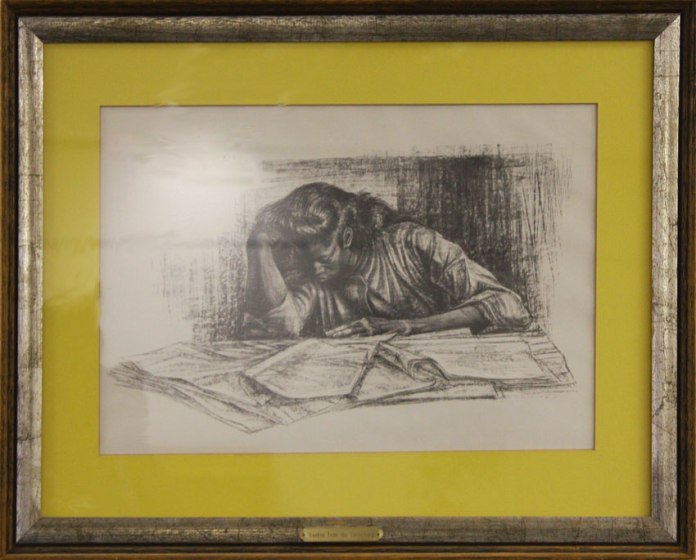
Image: Charles White’s “Awaken from the Unknowing” (1961).
I have been thinking about Blackness. Continue reading

This essay continues in the vein of scholars in this series whose contributions have highlighted the transnational reach and localized complexities of the Black Lives Matter movement and its conditions of possibility, including Faye Harrison, Jaime Alves, Noah Tamarkin and others. It questions concepts of humanity, intersectionality, and inclusion by mobilizing scholarship and public engagement around racialized and postcolonial police violence from a multi-sited (and perhaps not intuitively linked) location: Canada-cum-India. Continue reading
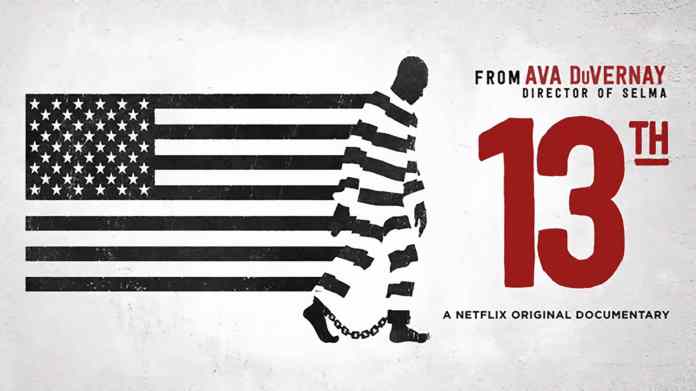
The editors of Anthropoliteia are happy to continue an ongoing series The Anthropoliteia #BlackLivesMatterSyllabus Project, which will mobilize anthropological work as a pedagogical exercise addressing the confluence of race, policing and justice. You can see a growing bibliography of resources via our Mendeley feed. In this entry, Maurice Magaña discusses seeing race and citizenship through Ava DuVernay’s documentary film, “13th.”
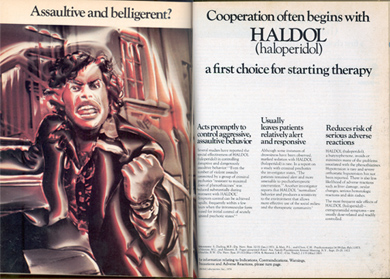
Dontre Hamilton. Alfred Olango. Lavall Hall. Laquan McDonald. We say their names and are reminded of one recurring theme in the on-going discussion about racialized police brutality: the deadly confluences between mental health crises and the lethal force that meets them in police responses. Continue reading
The editors of Anthropoliteia are happy to continue an ongoing series The Anthropoliteia #BlackLivesMatterSyllabus Project, which will mobilize anthropological work as a pedagogical exercise addressing the confluence of race, policing and justice. You can see a growing bibliography of resources via our Mendeley feed. In this entry, Anne Galvin discusses how teaching with memoir introduces many voices and points of view in her classroom.
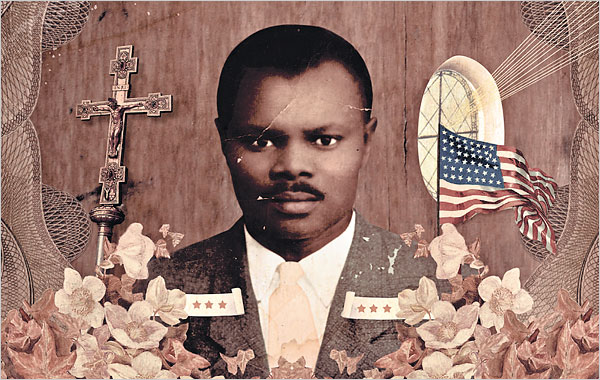
I attended graduate school in the 1990s and, like many anthropologists in training, spent much of my coursework considering questions of “positionality.” At the time, taking stock of anthropology’s relationship to colonial projects, as well as our own sometimes privileged positions and biases, shaped disciplinary debates and new methodologies. Reflexivity – the practice of being transparent about one’s own situation and possible bias – was one way anthropologists responded to the problem of position. It turns out these considerations are far from academic in 2017 as we work to build more effective engagements between anthropologists and movements for racial justice and develop inclusive classroom pedagogies. Continue reading
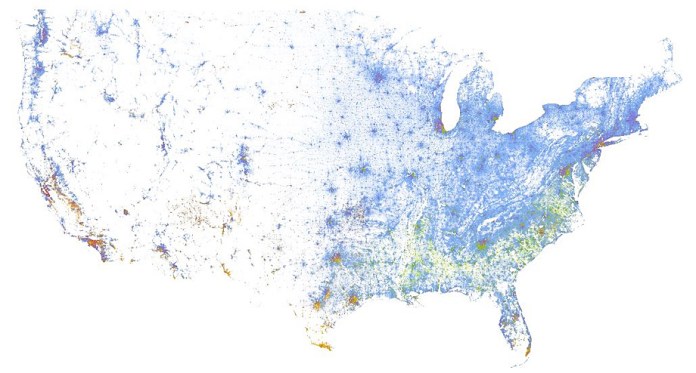
The editors of Anthropoliteia are happy to continue an ongoing series The Anthropoliteia #BlackLivesMatterSyllabus Project, which will mobilize anthropological work as a pedagogical exercise addressing the confluence of race, policing and justice. You can see a growing bibliography of resources via our Mendeley feed. In this entry, Avram Bornstein discusses how mapping projects can reinforce problematic racial geographies.
The editors of Anthropoliteia are happy to relaunch the second semester of an ongoing series The Anthropoliteia #BlackLivesMatterSyllabus Project, which will mobilize anthropological work as a pedagogical exercise addressing the confluence of race, policing and justice. You can see a growing bibliography of resources via our Mendeley feed. In this entry, Riché Barnes discusses #BlackFamiliesMatter, especially Black mothers.
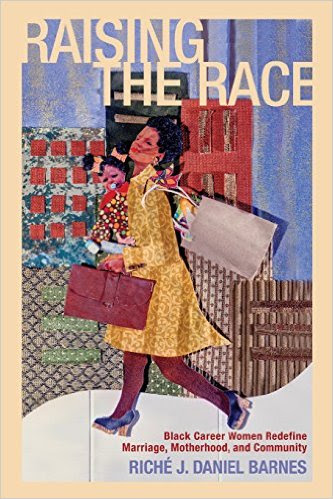
I was just about done with this blogpost when given this weekend and the past week’s news I had to regroup. The Trump administration’s war on families picked up momentum this week with yet another assault. As I watched people gathered in airports with hand-made signs reading “we want grandma,” while journalists interviewed people waiting, hoping, and praying their loved ones would not be detained, or worse, deported. As I heard people repeatedly say, “we talked to him as he was boarding the plane,” but we haven’t heard from him since,” I was immediately taken to that old refrain of not hearing or getting word, but somehow knowing something awful had happened and it would change the course of your life forever. Continue reading
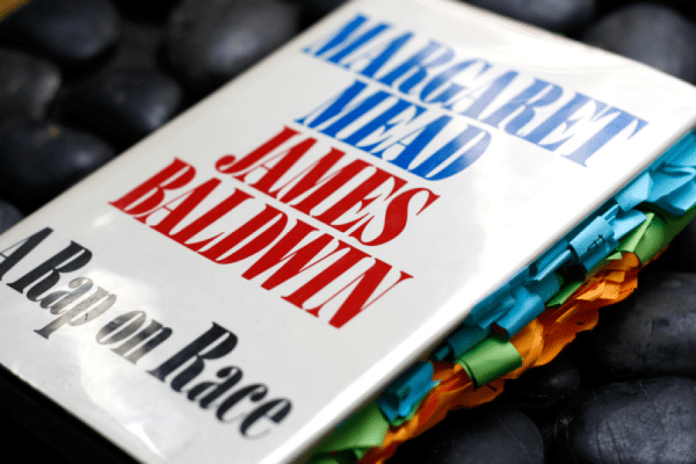
Near the intended end of the party, my friend announced the peculiar reason for my being in America at the present time and invited the company to tell them their frank opinions on the Negro problem. For a moment a somewhat awkward silence descended upon our party, a queer feeling that our relation of human understanding was broken. (Myrdal 1944, 33)
Years ago, I had an unsettling experience while helping to teach a course on ethnographic methods. Focusing on the concept of neighborhood in Baltimore, the course was designed to train students in basic methods while at the same time honing their curiosity and ability to formulate anthropological questions. The goal was to give the sense of ethnography as, on the one hand, comprising longstanding and relatively stable procedures while, on the other, entailing a creative process that overturns and transforms itself as it moves along the contours of a field.
 Anthropoliteia